Mission and direction
The mission sets the direction and protects the priority given to families’ lasting autonomy.
AFDDI is committed to documenting its operations, programmes, results and the use of resources entrusted to it.
Consulter les rubriques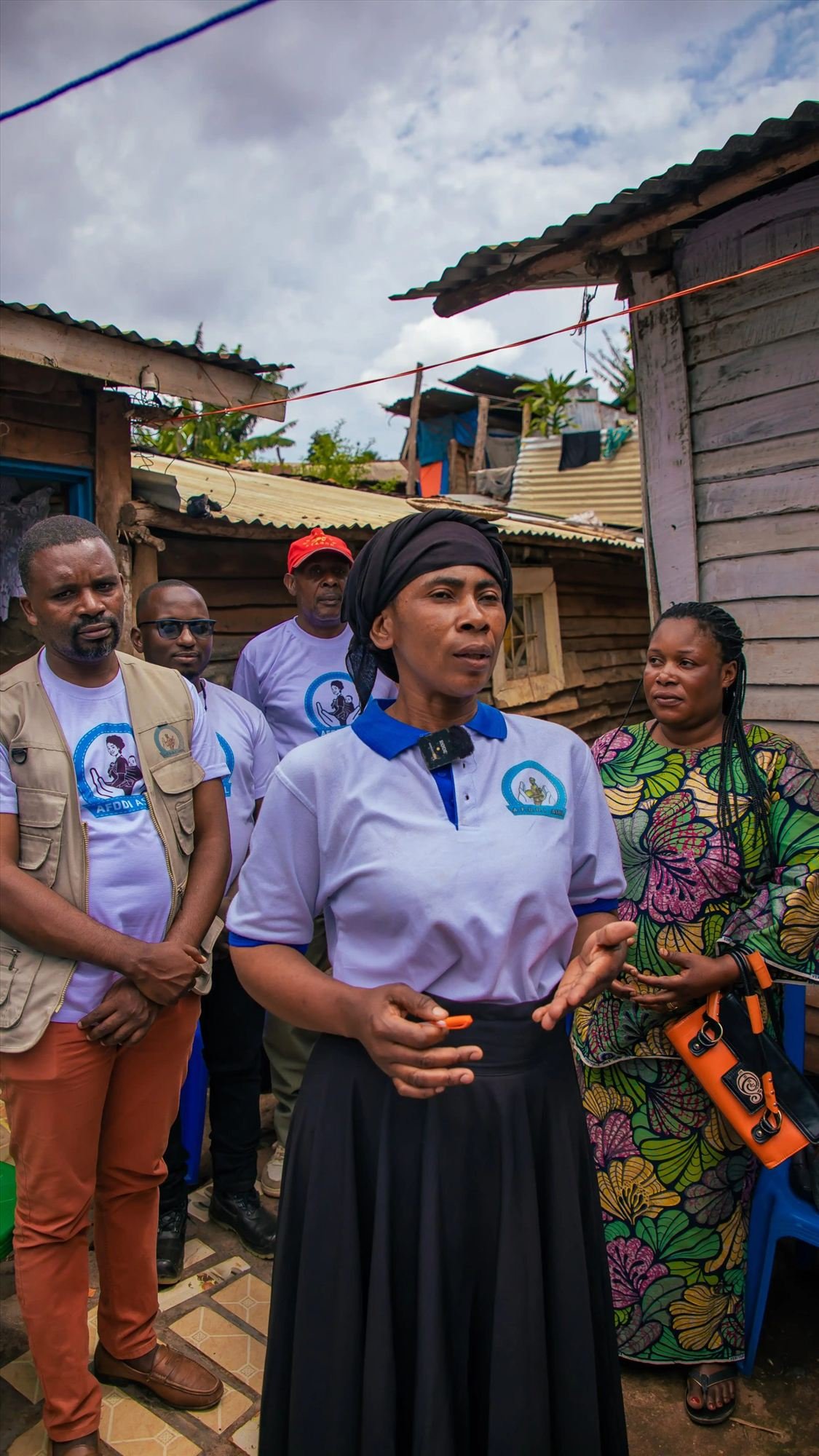
AFDDI connects institutional direction, governance, the operational team and the communities it supports. Each level has a distinct role so that decisions, resources and results can be understood and tracked.
The mission sets the direction and protects the priority given to families’ lasting autonomy.
Responsibilities, significant decisions and oversight mechanisms must be attributable and documented.
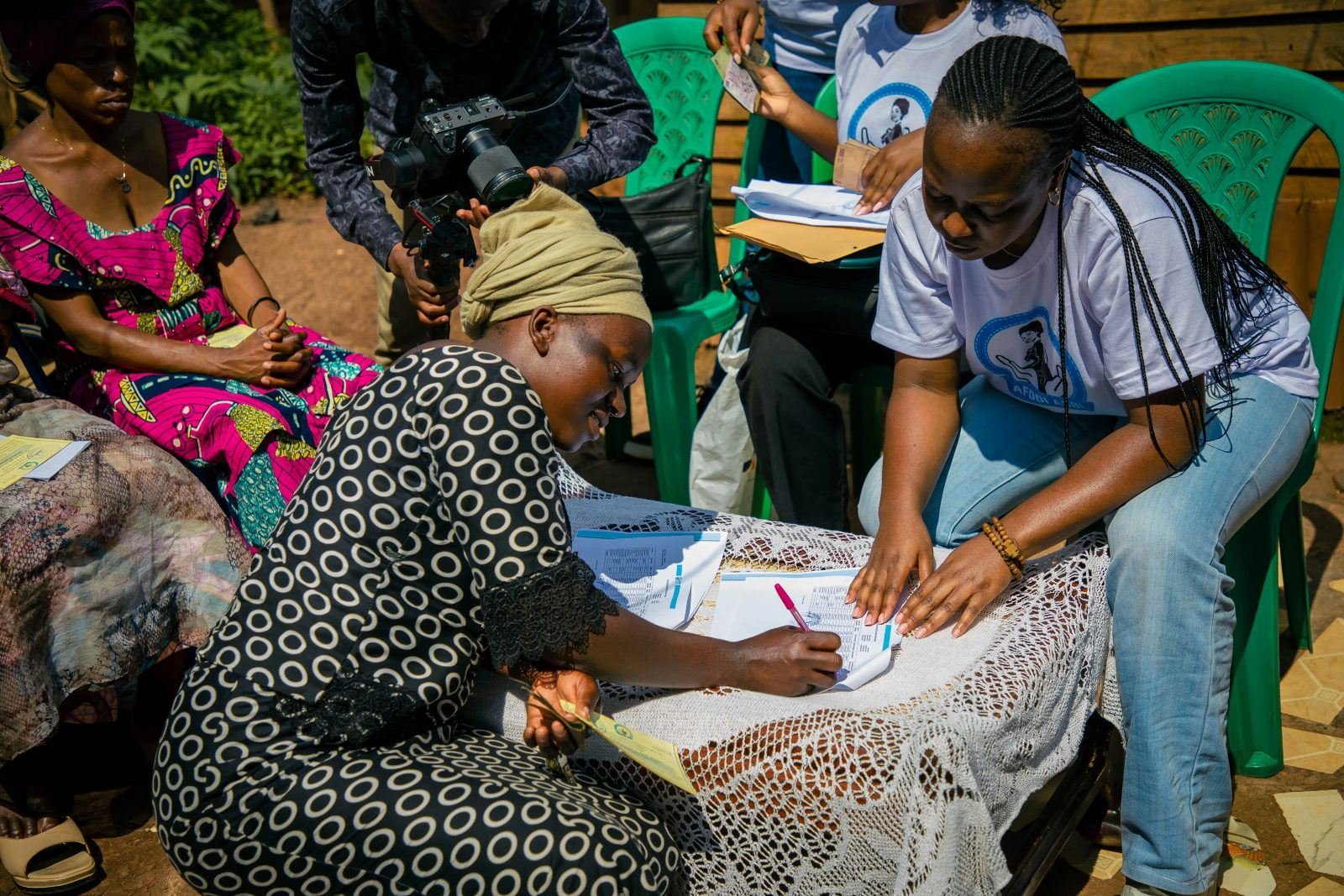
The team implements programmes, supports the members concerned and reports on completed activities.
People’s lived realities, feedback and protection guide how AFDDI acts and assesses results.
Members form AFDDI’s institutional community. They participate in accordance with the statutes, internal rules and responsibilities entrusted to them. They must not be confused with the families and individuals who benefit from programmes.
AFDDI publishes information about its structure and responsibilities, but does not disclose members’ personal data without a legitimate basis and appropriate approval.
Legal identity, vision, mission, leadership, governance structure and areas of intervention.
Institutional frameworkInternal policies, beneficiary protection principles and complaints mechanism.
Protection frameworkActivity reports, financial reports and aggregated microcredit portfolio results.
Consolidated resultsOrganisations supporting programmes, family assistance and institutional development.
Validated partnershipsTransparency is not simply putting a file online. It requires clear accountability, an identifiable version and a controlled history.
Identify the person or role accountable for the content.
Verify the dates, source and status of the document.
Provide a readable file without exposing confidential data.
Replace or withdraw a version without losing the publication history.
The contact form allows you to raise a concern with the team, which directs it according to its nature. Do not include sensitive information.
Contact AFDDI →A document or indicator is only presented as official after its owner, period and version have been validated.
Ask a question